Understand your
body's hidden
architecture
A platform for understanding and improving human movement and tension through fascia-based therapy and education. Built on 15+ years of clinical practice from Melbourne to Berlin.
Clinical Practice
System Layers
in Fascia
Berlin
Treat the person first.
Symptoms second.
The body is not a collection of isolated parts — it is an interconnected web of tension, movement, and sensation. Fascia Lab exists to bridge clinical expertise with accessible education, giving people the tools to understand what is happening in their own bodies.
Drawing from over 15 years of myotherapy and fascia-based practice — beginning in Melbourne and continuing in Berlin for the past six years — this platform translates complex anatomical and neurological knowledge into practical frameworks for movement, recovery, and long-term structural health.
The fascial system is more than connective tissue — it carries more neural signals than muscle, mediates the autonomic nervous system, and plays a central role in how we perceive pain, stress, and motion. Understanding it changes everything.
Systemic Thinking
Every tension pattern has roots — addressing symptoms without understanding the system creates temporary fixes.
Structural Education
Knowing your anatomy empowers better movement decisions, earlier intervention, and change that holds when movement changes.
Nervous System Lens
Fascia is the body's sensory organ. Understanding it means understanding pain, proprioception, and regulation.
Applied Practice
Theory without application is incomplete. Fascia Lab connects knowledge to real-world movement and treatment.
The body's
connective intelligence
The fascial system is a three-dimensional continuum of soft, collagen-containing connective tissue that permeates the entire body. It is like the ultimate wrapping paper — with highways of electrical signals sending more messages to the brain than muscle tissue itself.
Fascia is more than structural tissue — it is a vital player in both physical and emotional well-being.
Rich in mechanoreceptors — Pacinian corpuscles, Ruffini endings, Golgi tendon organs — fascia is the body's primary sensory organ for proprioception. When you are tense or stressed, the fluid between layers can thicken and sliding drops — that changes how you feel physically and emotionally.
Modern research continues to reveal fascia's dynamic roles in movement and pain perception — areas historically overlooked in anatomy until researchers like Dr. Robert Schleip, Dr. Carla Stecco, and Dr. Helene Langevin brought it to light.
Learn to read
the body
Fascia Lab seminars translate clinical knowledge into accessible, hands-on learning. Whether you are a practitioner, movement professional, or curious about your own structure — these workshops give you a new framework for understanding tension, pain, and movement.
Your fascia guide,
always with you
The Fascia Lab app puts the knowledge in your hands — explore the fascial system, understand tension patterns, and work through guided movement practices from anywhere. Built as a companion to the seminars and clinical work.
Launch App →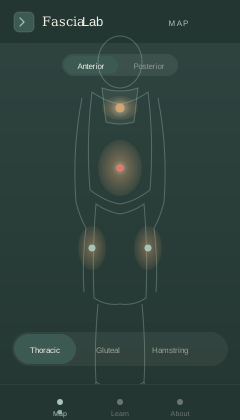
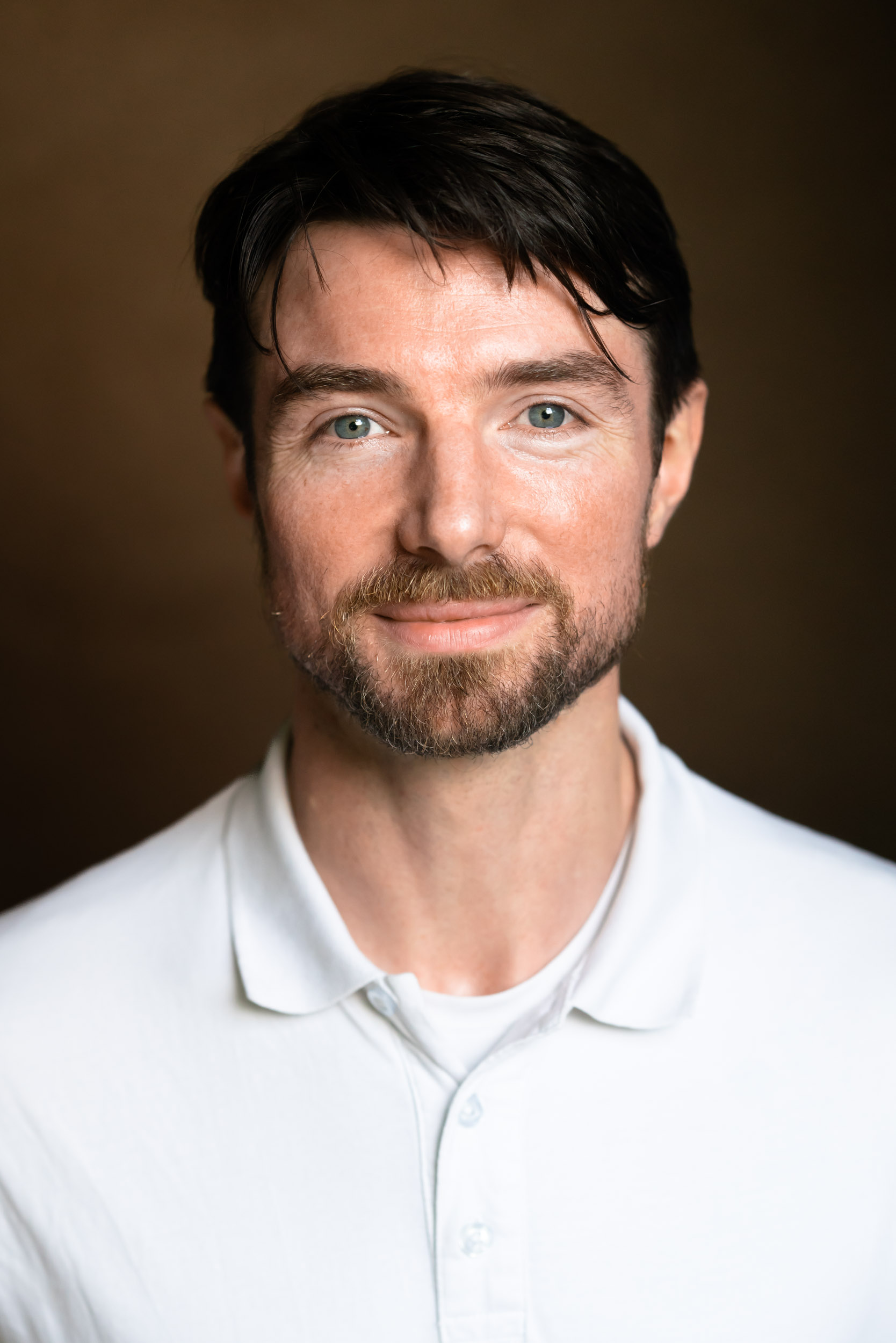
Joshua Snow —
Fascia & Trigger Point Specialist
Originally from Melbourne, Australia, Joshua has been working with the body for over 15 years. He specialises in myotherapy — hands-on work focused on assessing movement and tension, and on relieving musculoskeletal pain and improving function as measured.
Based in Berlin-Charlottenburg, Joshua's clinical practice has built a reputation for its precision and depth. His approach centres on harnessing the nervous system, moving past the mind's protective patterns, and creating measurable change in how the tissue slides and how the body reports position.
Fascia Lab is the natural extension of this work — taking the knowledge built through thousands of hands-on sessions and making it available through education, seminars, and digital tools.
- Kangan Institute · Myotherapy, Melbourne 2009
- Personal Training & Biomechanics, 2010
- Acupressure & Rehabilitation · Berlin practice since 2020
- Pre & Post Natal Seminars · Berlin 2024 →



We come
to you
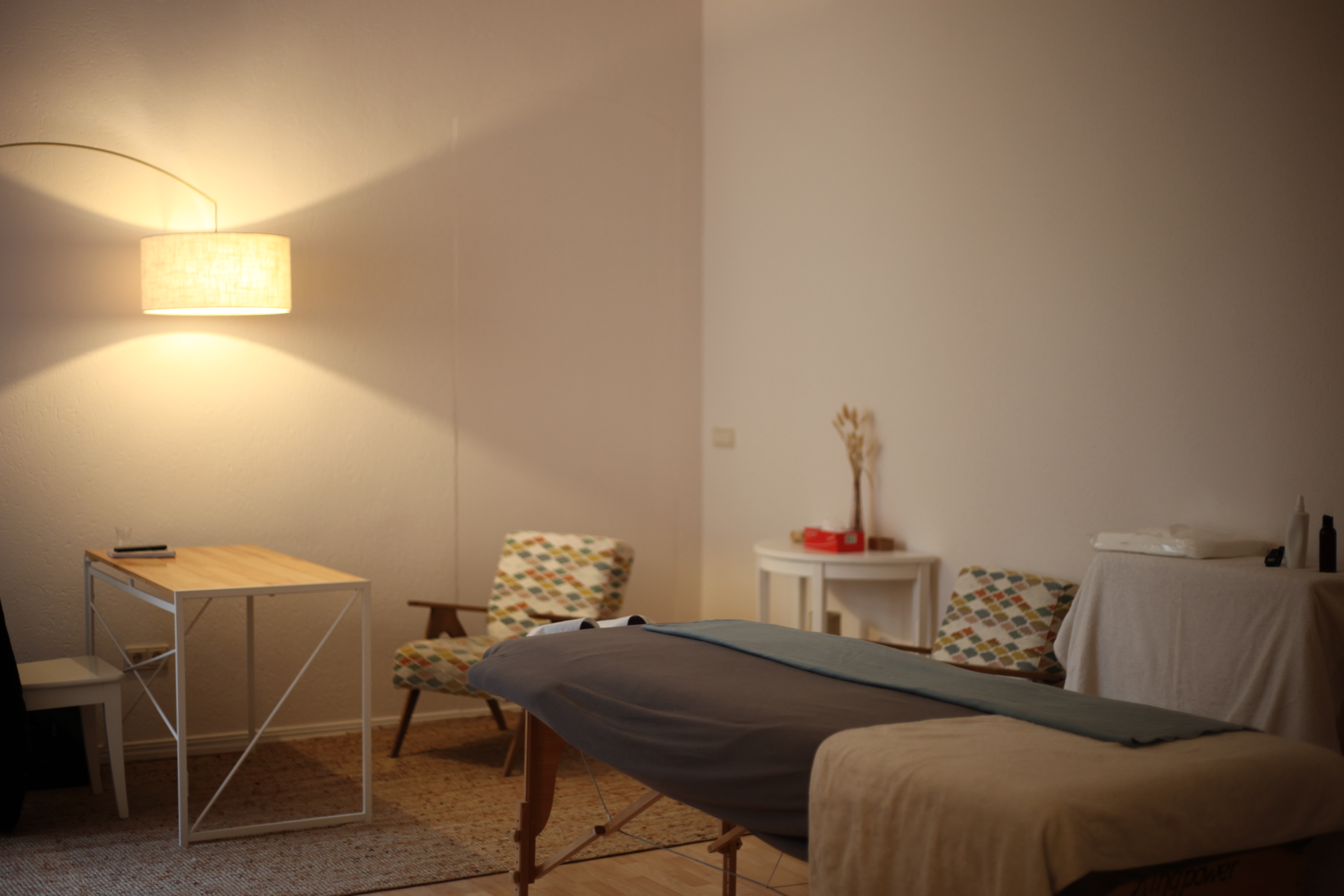
Desk-bound hours, repetitive strain, accumulated tension — the modern working body accumulates a lot. Fascia Lab Mobile brings hands-on myotherapy and fascia treatment directly to your office, studio, or workspace.
Designed for office teams, creative studios, production crews, and hard-working individuals — a trial session can be arranged with no commitment. Teams can book as they go, or choose a membership for regular on-site treatment.
This is not a corporate wellness add-on. It is a practical intervention for people who use their bodies heavily and want to keep performing.
Enquire about a trial dayFirst session assessment
New to Fascia Lab? Begin here.
A first session is not a standard treatment — it is a structured assessment. Sixty minutes of movement observation, palpation, and tension mapping to understand what is actually happening in your body.
You leave with a plain account of where layers are not sliding, and a practical starting point.
Introductory rate: €60 · Standard rate: €120 · Berlin-Charlottenburg
New clients only.
Subscribe to receive your introductory session code by email. Then choose how you would like to book.
Book your €60 assessment
First-session assessment · 60 minutes · Berlin-Charlottenburg · Tuesdays. Use your introductory code from email when prompted at checkout.
Book now — €60 assessment →New to Fascia Lab — start here
Subscribe above, then book a Tuesday slot through Fascia Lab. Structured assessment — not a standard treatment session. New clients only.
Book via Fascia Lab →90-minute sessions, mobile visits, and full-rate appointments — book through the main practice calendar.
Book on Setmore →